Plant Index
| A | B | C | D | E | F | G | H | I | J | K | L | M | N | O | P | Q | R | S | T | U | V | W | X | Y | Z |
A

Sunflower
Bright yellow flower that follows the sun.

Fern
Shade-loving plant with delicate fronds.
B

Basil
Fragrant herb used in cooking.

Birch
Tree with distinctive white bark.
C
Alsike Clover
Potentially edible. Test for bitterness - if bitter, may contain cyanide, but very low levels. Consume in low quantities. (Cyanide levels are extremely low and are not likely to cause harm, unless consumed in mass quantities) (Contains phytoestrogen: potentially harmful to AMAB folks, but beneficial for AFAB folks)
Common Chokecherry
Toxic: high in cyanide. Smells pungent (cyanide), especially when cut or torn. Used for weaving and basketry.
D
Roseum Spotted Dead Nettle
Fully edible, but hair on leaves may cause throat irritation. Common uses: tea (leaf), salad (leaf, flower), flower (eat alone). The flowers are very sweet. Tea made with leaf may need to be strained or otherwise processed to remove irritating hairs. Unknown caffeine levels.
Birch
Tree with distinctive white bark.
E
Basil
Fragrant herb used in cooking.
Birch
Tree with distinctive white bark.
F
Basil
Fragrant herb used in cooking.
Birch
Tree with distinctive white bark.
G
Common Groundsel
Toxic: toxic to all animals; causes liver failure.
Birch
Tree with distinctive white bark.
H
Basil
Fragrant herb used in cooking.
Birch
Tree with distinctive white bark.
I
Basil
Fragrant herb used in cooking.
Birch
Tree with distinctive white bark.
J
Basil
Fragrant herb used in cooking.
Birch
Tree with distinctive white bark.
K
Basil
Fragrant herb used in cooking.
Birch
Tree with distinctive white bark.
L
Prickly Lettuce
Can cause hallucinations. Mild pain relief, mild sedative, sleep aid. Has been used medicinally by extracting the latex, or brewing the leaf as tea. Advise against smoking.
Liverworts
Exist all over Earth (has even been found in Antarctica!). Extremely ancient. Found in fossils dating back to 473 million years ago.
M
Basil
Fragrant herb used in cooking.
Birch
Tree with distinctive white bark.
N
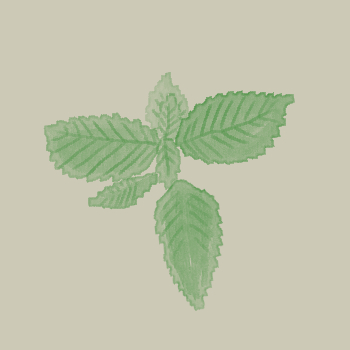
Hemp-Nettle
Not recommended for consumption. Best use: cordage (stem), soap (saponins). If consuming, only consume the flowering herb.
Birch
Tree with distinctive white bark.
O
Basil
Fragrant herb used in cooking.
Birch
Tree with distinctive white bark.
P
Field Pennycress
A type of mustard green. Edible when fresh. The dried plant in it's seed stage is used for decorative purposes.
Common Plantain
Increases blood clotting, high in vitamin K - be careful when consuming if blood clotting is a concern. Otherwise, extremely useful, especially topically. Most helpful for skin-related issues. Aids in wound healing and disinfection; antifungal properties. Use as a bandaid for cuts, sores, bugs bites, wasp bites, bee stings, infections, skin irrations, etc. Cure for psoriasis. For topical use, apply directly (also recommended to be chewed into a poultice). Entirely edible/non-toxic. A tea from the leaves relieves sore eyes. Food: soak leaves in salt water and boil until tender; seeds can be ground in to a flour.
Q
Basil
Fragrant herb used in cooking.
Birch
Tree with distinctive white bark.
R
Basil
Fragrant herb used in cooking.
Birch
Tree with distinctive white bark.
S
Basil
Fragrant herb used in cooking.
Birch
Tree with distinctive white bark.